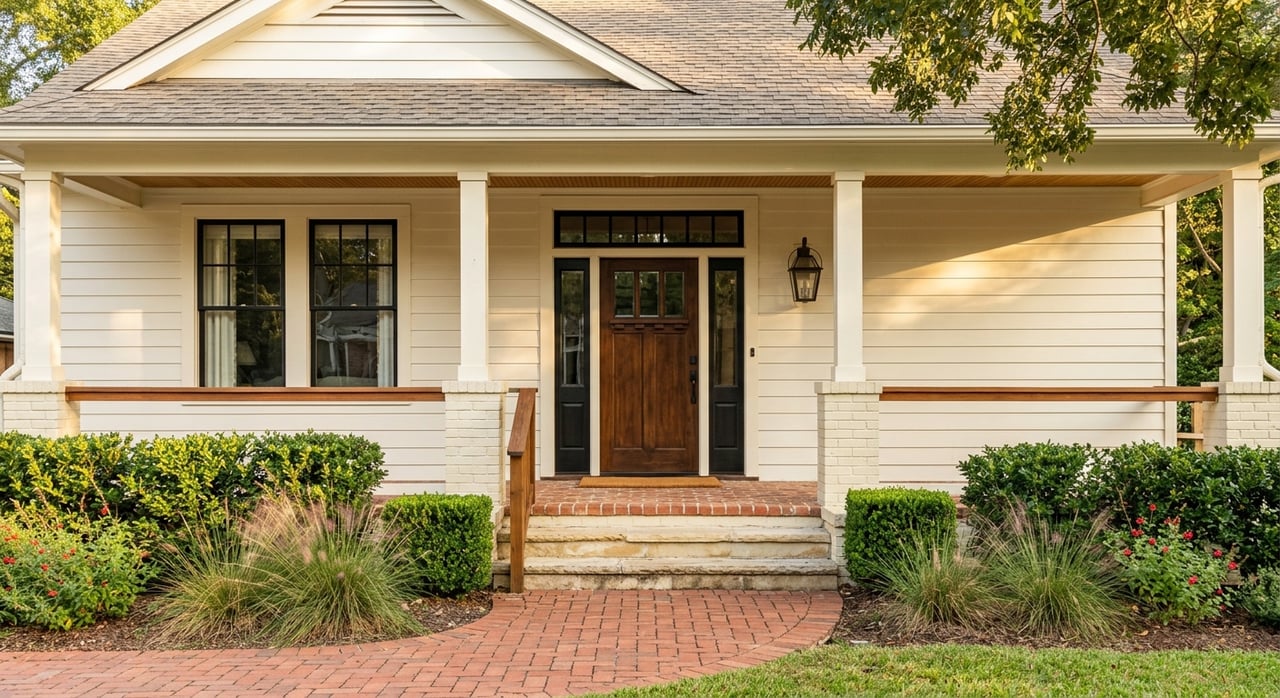
If you own a historic home near Downtown McKinney, you already know its charm is a big part of its value. The challenge is getting that home ready for today’s buyer without stripping away the details that make it special. With the right plan, you can present your home as clean, cared for, and move-in ready while still honoring its historic character. Let’s dive in.
Start With Historic Status
Before you schedule repairs or cosmetic updates, confirm whether your home is actually in McKinney’s Historic Overlay District. The city notes that not every older home near downtown is automatically covered, and a property can still be historic without being in the overlay. That matters because overlay status can affect what exterior work requires review.
If your home is in the Historic Overlay District, regulated exterior changes may require a Certificate of Appropriateness before work begins. McKinney says this can apply to visible changes involving windows, siding, doors, trim, masonry, shutters, porches, railings, chimneys, fencing, and signage. The city also says there is no fee, and ordinary maintenance is generally not restricted if you are not changing materials or design.
Preserve Character First
When you prepare a historic home for sale, the goal is not to make it look brand new. The better strategy is to make it look well maintained, functional, and true to itself. Preservation guidance supports a rehabilitation approach, which means improving the property while preserving the materials and features that give it historic value.
That principle matters in real life. Original windows, doors, millwork, porches, chimneys, and masonry often help a home stand out in buyers’ minds. In McKinney, those same elements are also part of the local preservation context, so keeping them intact when possible can support both presentation and compliance.
Repair Before You Replace
A smart rule for historic homes is to repair first and replace second. Preservation guidance says deteriorated historic features should be repaired whenever possible, and if replacement is necessary, the new feature should match the original in design, color, texture, and, where possible, materials.
This is especially important for windows and other highly visible exterior details. If you replace too aggressively, you can lose the very features that make the home memorable. If you repair thoughtfully, you keep the home’s story while still showing buyers that it has been cared for.
Focus on High-Impact Prep
Most buyers respond first to the basics. National staging research shows the most common pre-listing recommendations include decluttering, whole-home cleaning, and curb appeal improvements. Other common updates include wall painting, touch-ups, minor repairs, landscaping, and carpet cleaning.
For a historic Downtown McKinney home, those same priorities still work. The key is to choose updates that improve presentation without changing original materials or distinctive details. You want buyers to notice the home’s condition and comfort, not wonder what was removed or covered up.
Declutter Without De-Personalizing
Historic homes often have smaller rooms, more built-ins, and more architectural detail than newer homes. Too much furniture or decor can make those features harder to see. Decluttering helps buyers understand the flow of the home and notice what makes it unique.
Keep enough furnishings to show how each room lives, but remove anything that distracts from original trim, fireplaces, windows, or built-ins. The home should feel edited and calm, not empty or overly staged.
Clean Every Surface
Whole-home cleaning matters in any listing, but it is especially important in older homes where dust, aging finishes, or dingy surfaces can make buyers assume deferred maintenance. Clean windows, floors, baseboards, light fixtures, kitchens, baths, and porch areas thoroughly.
A clean historic home reads as cared for. That can make original features feel like assets instead of projects.
Tackle Minor Repairs
Loose hardware, squeaky doors, chipped paint, cracked caulk, damaged screens, or worn weatherstripping can make a buyer focus on upkeep instead of character. Addressing minor issues before listing can help your home feel more polished and better maintained.
On historic homes, small repairs often have an outsized impact because buyers tend to look closely at craftsmanship and condition. Taking care of visible details builds confidence.
Be Careful With Paint and Materials
Paint can freshen a home quickly, but historic properties need a more thoughtful approach. McKinney does not regulate paint colors in the residential area of the Historic Overlay District, but the city recommends avoiding paint on unpainted masonry. It also discourages abrasive paint removal methods on brick or stone.
Inside the home, a fresh, neutral paint palette can brighten rooms and help buyers focus on space and architectural detail. Outside, be careful not to use paint or cleaning methods that damage original materials. If you are unsure whether a project is simple maintenance or regulated work, check with the Historic Preservation Office before starting.
Protect Interior Features
McKinney says it does not monitor interior alterations, but it encourages owners to preserve interior historic features because they add value. That is an important selling point. Original floors, trim, doors, hardware, stair details, fireplaces, and built-ins often help a home feel authentic and distinctive.
If you are making interior updates before listing, work around those features instead of removing them. Buyers shopping for a historic home usually want comfort and function, but they also want the character they cannot get in newer construction.
Strengthen Curb Appeal the Right Way
First impressions matter, especially in a historic district where streetscape and exterior character help shape buyer expectations. McKinney’s Home Recognition Program highlights the kinds of exterior improvements the city values, including ongoing maintenance and preservation of historic elements such as windows, doors, chimneys, porches, siding, and landscaping that fits the property’s materials and setting.
That gives sellers a useful framework. Focus on tidy landscaping, maintained walkways, healthy lawn areas, trimmed shrubs, and a welcoming porch. Then look at the house itself through a buyer’s eyes and ask whether original details are visible, clean, and in good repair.
Gather Your Paper Trail Early
Documentation is a major part of preparing an older home for market. Before photos or showings begin, gather permits, repair records, prior improvement details, and any Certificate of Appropriateness correspondence. This helps your listing presentation stay aligned with the home’s actual condition and history.
Photos are useful too. McKinney’s review process may require photos of existing conditions, and preservation guidance for window replacement also relies on photo documentation when replacement needs to be justified. Good records make it easier to answer buyer questions and support disclosures with confidence.
Review Disclosures Before Marketing
In Texas, sellers should review the current TREC Seller’s Disclosure Notice before marketing a previously occupied single-family home. For an older or historic property, this step should happen early. It gives you time to confirm past repairs, clarify known conditions, and make sure your records support what will be disclosed.
Starting this process before listing can also reduce surprises later. Historic homes often prompt more buyer questions, so preparation matters.
Plan for Lead-Based Paint Rules
If your home was built before 1978, lead-based paint rules are an important part of your pre-listing plan. Federal law requires sellers and landlords to disclose known lead-based paint information, provide the required pamphlet, and offer buyers an opportunity for an independent inspection.
This also matters during prep. Lead-based paint is common in older housing, and renovation, repair, and painting work can create dangerous lead dust. If you are updating a pre-1978 home before listing, plan carefully and use lead-safe practices.
Stage for Today’s Buyer
Historic character attracts attention, but staging helps buyers connect that character to daily life. Research shows staging helps buyers visualize a future home, and the rooms buyers’ agents rank as most important to stage are the living room, primary bedroom, and kitchen.
That is a helpful guide for historic listings in McKinney. Start with the rooms where buyers imagine spending the most time, then make sure each space feels open, bright, and easy to understand.
Highlight Livability
Historic homes sometimes have room layouts or proportions that differ from newer homes. Good staging helps buyers see function instead of friction. Arrange furniture to show conversation areas, walking paths, and practical use of space.
If a room has a fireplace, built-in shelves, tall windows, or original trim, let those features lead. They should be visible in person and in photos.
Make Listing Photos Count
Nearly half of interested buyers begin their home search online, so your photo strategy matters. A historic home needs more than basic room shots. It needs a photo set that tells a clear story of condition, character, and comfort.
Professional photos should cover all key rooms and also capture the details that set the home apart. That can include fireplaces, natural light, built-ins, porch spaces, masonry, windows, and outdoor living areas. Twilight photography can also strengthen visual appeal when the home and setting photograph well at that time of day.
Keep Images Honest
Digital edits and virtual staging can be useful, but they should never misrepresent the property or hide defects. Buyers should walk in and feel that the house matches what they saw online. For a historic home, that kind of transparency builds trust.
The best listing photos do not create a fantasy version of the property. They show a well-prepared, accurately presented home that feels inviting and distinctive.
Position the Home Thoughtfully
The strongest historic-home listings balance two messages at once. First, the home has timeless details you cannot easily replicate. Second, it has been prepared in a way that feels practical and ready for modern living.
That balance fits today’s buyer well. Many buyers want character, but they also want clarity, cleanliness, and confidence. When your home shows well, photographs well, and respects McKinney’s preservation context, you are in a much stronger position to attract serious interest.
Preparing a historic Downtown McKinney home is rarely about doing more. It is usually about doing the right things in the right order: verify overlay status, protect original features, focus on condition, gather records, review disclosures, and present the home beautifully online and in person. If you want expert guidance on pricing, preparation, staging, photography, and positioning your home for today’s market, Deborah Diviney can help you create a plan that respects your home’s history and maximizes its appeal.
FAQs
How do I know if my McKinney home is in the Historic Overlay District?
- You can verify the property’s status through the city map or by contacting McKinney’s Historic Preservation Office before planning improvements.
What exterior work on a historic McKinney home may need approval?
- In the Historic Overlay District, visible exterior changes involving items like windows, siding, doors, trim, masonry, porches, railings, chimneys, fencing, and signage may require a Certificate of Appropriateness before work begins.
Can I paint a historic home near Downtown McKinney?
- McKinney does not regulate paint colors in the residential area of the Historic Overlay District, but it recommends avoiding paint on unpainted masonry and discourages abrasive paint removal on brick or stone.
What updates matter most before listing a historic McKinney home?
- Decluttering, whole-home cleaning, curb appeal improvements, paint touch-ups, minor repairs, and careful landscaping are among the most common and useful pre-listing steps.
Should I replace old windows before selling a historic McKinney home?
- Not automatically. Preservation guidance supports repairing historic features first, and if replacement is necessary, the new windows should match the originals as closely as possible.
What disclosures should I review before listing an older McKinney home?
- You should review the current Texas Seller’s Disclosure Notice early, and if the home was built before 1978, you should also prepare for required lead-based paint disclosures and related buyer notices.
