If you are selling a historic home near Downtown McKinney, you are not just marketing bedrooms, baths, and square footage. You are marketing a way of life that many relocating buyers cannot easily find in newer neighborhoods. When your buyer is moving from out of town, the right strategy helps them understand not only the home, but also the experience of living there. Let’s dive in.
Why Historic Downtown McKinney Appeals
Historic Downtown McKinney stands out because it offers more than a pretty streetscape. The city describes downtown as one of Texas’s oldest active historic downtowns, with more than 120 unique shops, more than two dozen restaurants, arts and live entertainment, festivals, and walking tour options. That gives your home a strong sense of place that can be very appealing to buyers relocating to North Texas.
The downtown area is also shaped around a compact, walkable, pedestrian-oriented mixed-use pattern. For an out-of-town buyer, that matters because it helps them picture daily life beyond the property line. A home here can feel connected to shopping, dining, events, and everyday activity in a way that is very different from a standard suburban listing.
McKinney itself also has momentum that supports relocation interest. Census QuickFacts lists the city at 236,001 residents in the July 1, 2025 estimate, which reflects 20.8% growth since April 1, 2020. For many buyers, that points to a fast-growing North Texas city where a historic home can offer both character and practical access to a thriving local market.
What Relocating Buyers Want Most
Relocating buyers often need more context than local buyers. They may be comparing McKinney with several cities at once, and they usually have less time to explore in person. That means your marketing has to answer lifestyle questions quickly and clearly.
National buyer research from 2025 showed that buyers mainly wanted help finding the right home, negotiating sale terms, and negotiating price. The same research found that neighborhood quality and convenience to friends and family ranked above convenience to a job. For a historic downtown home, that means buyers may be focused less on commute alone and more on whether the area fits the kind of life they want to build after a move.
The same research also found that buyers want help learning search areas. That is especially important in Downtown McKinney, where street character, walkability, parking, lot size, home age, and preservation rules can vary from one block to another. A strong marketing plan should make those local details easy to understand from the start.
Sell the Lifestyle, Not Just the House
A historic downtown property should be positioned as a lifestyle home. Relocating buyers may fall in love with original architecture, but they are also asking themselves what daily life will feel like after the move. Your listing should help them picture that answer.
Downtown McKinney’s Cultural District is known for independently owned businesses, festivals, boutique lodging, restaurants, and historic authenticity. The city also highlights walking tours and food tours, along with museums and live entertainment. Those details help create a story around the home that goes beyond finishes and floor plans.
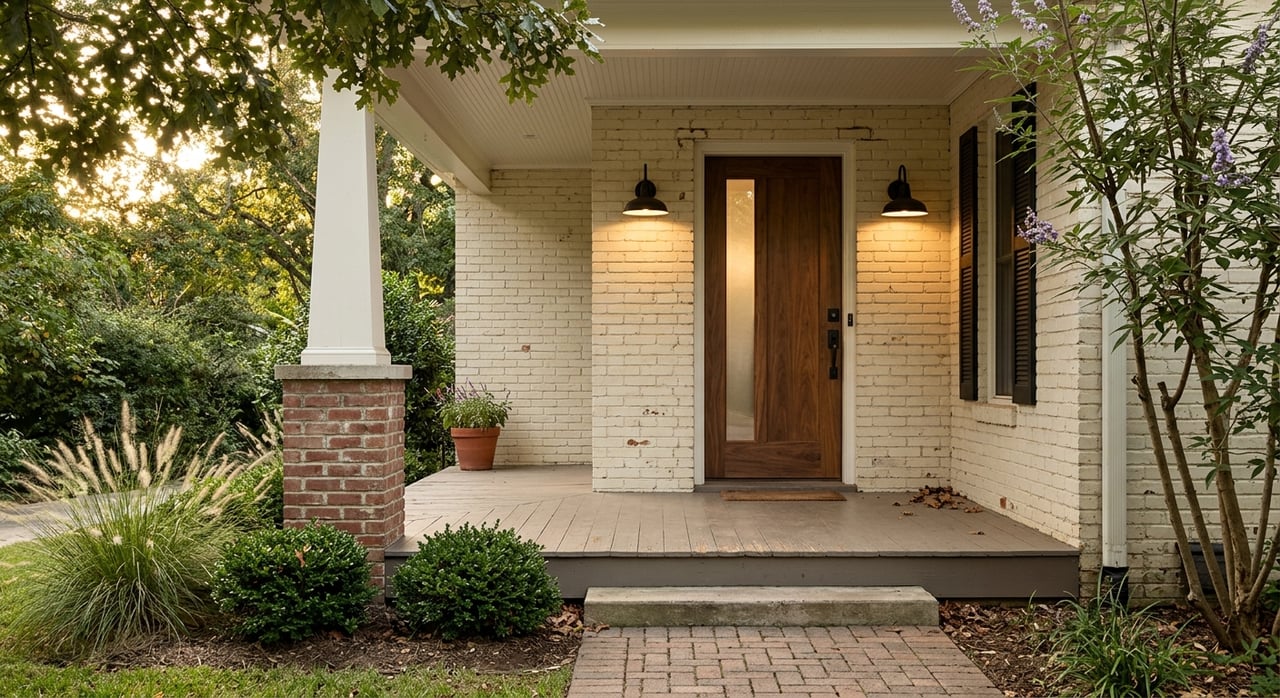
Instead of describing only a front porch or mature trees, your marketing should connect those features to the surrounding experience. A porch becomes a place to enjoy a walkable district. A short drive or stroll to the square becomes part of the home’s everyday value. That kind of framing is often what helps a relocating buyer understand why a historic downtown property is special.
Build a Digital-First Marketing Plan
Most relocating buyers will first meet your home online. Research from 2025 found that 43% of buyers looked online for properties for sale, and many begin that process on a mobile device or tablet. If your online presentation is weak, you may lose interest before a buyer ever schedules a showing.
This is where premium presentation matters. Among internet users, 83% found photos very useful, 79% valued detailed property information, 57% wanted floor plans, and 41% found virtual tours useful. Historic homes benefit from this even more because buyers need help understanding room flow, natural light, ceiling height, storage, and how older architecture functions in everyday living.
For that reason, a standard listing is rarely enough. Historic homes near Downtown McKinney need strong photography, thoughtful staging, clear room descriptions, and complete property details. When buyers are relocating, these tools help bridge the distance and reduce uncertainty.
Use Visuals to Answer Buyer Questions
Historic homes often raise more questions than newer homes. That is not a drawback if your marketing is prepared for it. In fact, strong visuals can turn uncertainty into confidence.
Professional photography should capture both charm and function. Buyers should be able to see curb appeal, natural light, architectural details, updated spaces, and how rooms connect. Wide shots, exterior angles, and detail images all play a role in helping someone from out of town decide whether your home deserves a closer look.
Floor plans are especially useful for relocation buyers because they may not be able to visit right away. A floor plan can help them understand whether the home fits their furniture, work-from-home needs, guest space, or everyday routines. Virtual tours can add even more clarity by showing flow and scale in a way still photos cannot.
Staging also supports this effort. In 2025, about half of agents said buyers expect homes to look professionally staged, and roughly one-third said buyers were more willing to tour a staged home they first saw online. For a historic property, staging can help balance period charm with a clean, current look that feels livable.
Be Clear About Historic Preservation Rules
Relocating buyers may love the character of a historic home, but they also want to know what ownership will involve. In McKinney, that question is especially important because some properties are subject to local preservation review. If your home is in the Historic Overlay District, your marketing should address this clearly and calmly.
McKinney’s Historic Preservation Office notes that exterior work visible from the public right of way may require a Certificate of Appropriateness. At the same time, ordinary maintenance generally does not require permission when materials and design are unchanged. That distinction matters because it helps buyers understand that routine upkeep is treated differently from visible exterior changes.
Buyers may also ask whether there are incentives tied to historic ownership. The city notes that some historic properties may qualify for local tax exemptions or other incentives, including HNIZ-related benefits and, in some cases, TIRZ funding. If those apply, they can become an important part of the long-term ownership conversation.
Anticipate the Questions Out-of-Town Buyers Ask
Relocating buyers often move fast, but they still need solid answers. The more your marketing can anticipate common questions, the smoother the sales process can be. This is especially true for a home type that is less common in many North Texas searches.
Some of the most important questions include:
- What is the day-to-day lifestyle like near Downtown McKinney?
- How walkable is the area?
- What updates have already been made to the home?
- Are there any preservation review requirements for future exterior changes?
- Is there parking on site or nearby?
- How does this home compare with newer options in the area?
When your marketing answers these questions early, buyers feel better informed and more serious. That can lead to stronger interest and more productive showings, especially when someone is coordinating a move from another city or state.
Why Local Expertise Matters Here
Historic Downtown McKinney homes are not cookie-cutter listings. Pricing, presentation, and buyer messaging all require a more tailored approach. You need to highlight what makes the home special while also helping buyers understand how it fits into the broader McKinney market.
That is where local knowledge becomes a real advantage. A seasoned local agent can position the home around downtown lifestyle, explain preservation context, and present the property in a way that resonates with relocation buyers who may be seeing McKinney for the first time. The goal is not just exposure. The goal is the right exposure.
Broad digital distribution still matters. Seller research from 2025 shows that agents commonly market through MLS websites, yard signs, open houses, major search sites, agent websites, and company websites. But for a historic downtown home, success often comes from pairing that reach with a more polished, story-driven strategy that helps the property stand apart.
How to Market for Better Results
If you want to attract relocating buyers to a historic Downtown McKinney home, your plan should focus on a few essentials:
- Lead with lifestyle by showing what makes downtown living distinct
- Use high-quality photography to capture both character and usability
- Include detailed property information that answers practical questions
- Add a floor plan so buyers can understand layout quickly
- Consider virtual tours to help out-of-town buyers engage sooner
- Explain preservation context clearly if the property is in the Historic Overlay District
- Price with local market knowledge so the home is competitive and credible
When those pieces work together, your home is easier for a relocating buyer to understand and value. That can make a meaningful difference in both interest level and overall sales outcome.
Selling a historic home near Downtown McKinney takes more than a basic listing approach. It takes thoughtful presentation, strong digital marketing, and a clear understanding of what relocating buyers need to feel confident. If you are preparing to sell and want a strategy that highlights both your home and the lifestyle around it, Deborah Diviney can help you create a polished, market-smart plan from preparation to closing.
FAQs
What makes Historic Downtown McKinney attractive to relocating buyers?
- Historic Downtown McKinney offers a lifestyle centered around a walkable district with more than 120 unique shops, more than two dozen restaurants, festivals, arts, live entertainment, and historic character.
Why is digital marketing important for historic McKinney homes?
- Many buyers start online, and 2025 research shows they place high value on photos, detailed property information, floor plans, and virtual tours when deciding which homes to explore further.
What should a listing for a Downtown McKinney historic home emphasize?
- A strong listing should highlight both the home’s architectural character and the surrounding downtown experience, including walkability, local amenities, and everyday lifestyle appeal.
What should buyers know about McKinney historic preservation rules?
- If a property is in the Historic Overlay District, exterior work visible from the public right of way may require a Certificate of Appropriateness, while ordinary maintenance usually does not if materials and design stay the same.
Can some historic homes in McKinney qualify for incentives?
- According to the city, some historic properties may qualify for local tax exemptions or other incentives, including HNIZ-related benefits and, in some cases, TIRZ funding.
How can sellers better reach out-of-town buyers for historic homes?
- Sellers can improve results by using premium photography, staging, detailed listing information, floor plans, virtual tours, and clear messaging about downtown lifestyle and property-specific ownership considerations.
