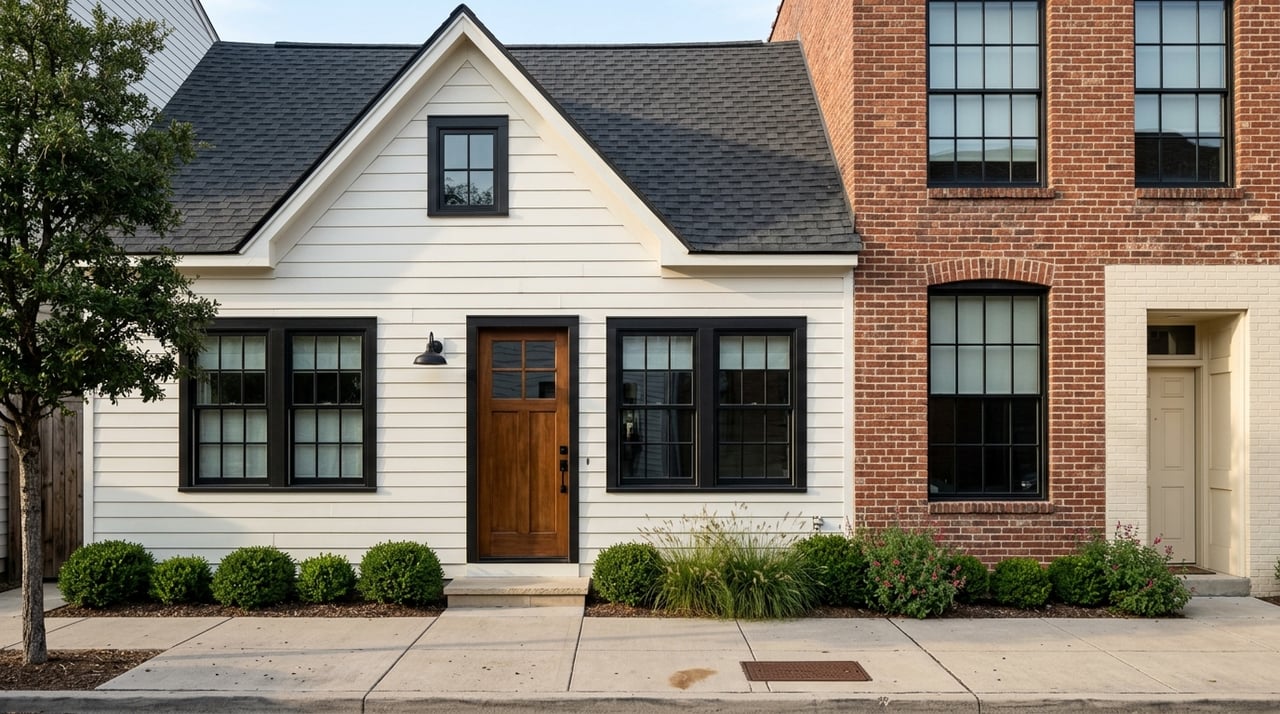
If you want a McKinney address with more personality than a typical newer subdivision, Historic Downtown McKinney stands out right away. This part of the city offers a different kind of living experience, with preserved buildings, older homes, walkable streets, and a strong sense of place around the downtown square. If you are wondering whether lofts, cottages, or character homes in this area fit your lifestyle, this guide will help you understand what makes the district unique. Let’s dive in.
Why Historic Downtown McKinney Feels Different
Historic Downtown McKinney is about 30 miles north of downtown Dallas in central Collin County, and the city describes it as one of the oldest thriving historic downtowns in Texas. That history shows up in the built environment, from preserved commercial buildings near the square to older residential streets lined with established homes.
What makes the area especially appealing is that it is not trying to feel brand new. The city’s downtown planning framework for the McKinney Town Center supports pedestrian-oriented, mixed-use, urban-infill redevelopment with shopping, employment, housing, and services in one connected district. For you, that often means more variety, more texture, and a more walkable daily routine.
The city also describes McKinney Main Street as a nationally recognized preservation program focused on historic commercial architecture and local business development. That balance between preservation and reinvestment is a big reason downtown feels layered and authentic instead of uniform.
Downtown Housing Types to Know
Historic Downtown McKinney is not a one-style market. The housing mix is one of the biggest reasons buyers are drawn here, especially if you want something with more individuality than a standard floor plan.
Lofts Near the Square
If you like the idea of low-maintenance living close to dining, shopping, and events, loft-style living is part of the downtown story. While the city does not publish a dedicated loft inventory, its mixed-use downtown framework makes this type of housing a natural fit in the area.
The district’s adaptive-reuse character also adds to the appeal. According to the city’s historic building walking tour, some downtown buildings that now house modern businesses once served as a movie theater, a jail, a newspaper office, and an opera house. That kind of history helps explain why downtown living here often feels more distinctive than a typical newer mixed-use development.
Cottages and Bungalows
If your ideal home is smaller in scale but full of charm, downtown McKinney has plenty to notice. The city’s residential walking tour highlights preserved historic homes on tree-lined streets, and the 2024 Historic Resources Survey found Craftsman and National Folk residences concentrated in the central historic overlay district.
These homes often appeal to buyers who value original character, front porches, mature landscaping, and a neighborhood setting that feels established. You may also notice that the housing stock shifts as you move outward from the core, which adds to the area’s patchwork feel.
Historic Character Homes
For buyers who want a home with a deeper connection to McKinney’s past, historic character homes are a major draw. The city notes that many of McKinney’s most impressive historic homes were built in the 1890s, giving the district a documented residential fabric that goes far beyond surface-level charm.
That history matters because it shapes what you are buying. These homes can include older materials, early 20th century architectural styles, and features tied to the city’s preservation story. If authenticity matters to you, that can be a major advantage.
What Everyday Life Looks Like Downtown
Living near Historic Downtown McKinney is about more than the house itself. The lifestyle is a big part of the appeal, especially if you want to spend less time driving for simple outings.
Walkability and Getting Around
A common question is whether downtown is truly walkable. Based on city information, the answer is yes. The district offers free parking, including two covered garages, 13 public lots, and free street parking, which makes access easier than many people expect in a historic downtown setting.
The free Downtown Trolley adds another layer of convenience. It runs Thursday through Saturday from 11 a.m. to 7 p.m. on a loop through streets including Louisiana, Virginia, Kentucky, Tennessee, and Lamar. If you enjoy being able to move around the district without constantly getting back in your car, that is a meaningful lifestyle perk.
Shops, Dining, and Events
Downtown is also built around activity. City and visitor pages describe a dense mix of retail and dining, with the city citing more than 120 unique shops and over two dozen restaurants, while Visit McKinney describes more than 200 one-of-a-kind shops and award-winning eateries.
You also get more than storefronts. Official downtown pages highlight seasonal festivals, wine walks, public art, live music, and nightlife, which helps explain why living nearby can feel lively and connected throughout the year.
A Strong Sense of Local History
Just south of the square, Chestnut Square Heritage Village adds another layer to the area’s identity. It includes six historic homes, a replica one-room schoolhouse, a chapel, a store, and recurring tours and market events.
For you as a buyer, that means the historic setting extends beyond a few blocks of retail. The district is surrounded by preserved local history, which supports the sense that downtown McKinney is a place with depth, not just a popular entertainment area.
What Buyers Should Consider Before Choosing a Historic Home
Historic homes can be incredibly rewarding, but they also come with responsibilities that are important to understand upfront. If you are comparing downtown McKinney with newer neighborhoods, this is where the decision often becomes more practical.
Exterior Changes May Need Review
In McKinney’s historic areas, exterior changes visible from the public right of way generally require a Certificate of Appropriateness. According to the city, that can include updates to windows, siding, doors, porches, railings, chimneys, fencing, signage, new construction, and demolition.
Ordinary in-kind maintenance is generally allowed, but larger visible changes often involve review and coordination. If you are planning renovations, it is smart to understand this process before you buy rather than after.
Preservation Support Is Part of Ownership
The city also provides historic-property owners with professional assistance, research resources, home recognition, and incentive programs. That support can be helpful if you want to maintain or improve a home while respecting the district’s standards.
In other words, owning a historic home here is not about being frozen in time. It is about working within a system that tries to preserve what makes the area special while still supporting responsible upkeep and investment.
Why Variety Is the Big Selling Point
For many buyers, the biggest advantage of Historic Downtown McKinney is choice. In one compact district, you can find loft-style convenience, cottage-scale charm, and true historic character homes.
That variety is especially attractive if you are relocating to McKinney and trying to decide between downtown and a master-planned suburban community. Downtown offers a more varied housing stock, more walkable access to shops and events, and a stronger connection to the city’s historic core.
The tradeoff is that the homes are less standardized, and preservation rules can make renovations more involved. If you value authenticity, walkability, and an older urban fabric, that tradeoff may be exactly what makes downtown feel right.
How to Approach Your Search Strategically
If you are considering a move into Historic Downtown McKinney, it helps to start with your priorities. The right fit usually becomes clearer when you think about how you want to live, not just what style of home you like best.
Ask yourself questions like:
- Do you want to be close to the square and downtown activity?
- Would you prefer a lower-maintenance property or a detached home with more individuality?
- Are you comfortable with the upkeep and review process that can come with historic ownership?
- Do you want a home that feels updated, or are you drawn to original details and older materials?
A thoughtful search matters here because downtown inventory can be more nuanced than in newer communities. Home condition, location within the district, renovation history, and preservation considerations can all shape long-term value and day-to-day enjoyment.
If you are weighing your options in McKinney, working with someone who understands both neighborhood character and the details behind a property can make the process much smoother. For local guidance on buying or selling in McKinney, connect with Deborah Diviney to schedule a free home valuation & consultation.
FAQs
Is Historic Downtown McKinney walkable for daily living?
- Yes. City information points to free parking, a free downtown trolley, and a dense concentration of shops, restaurants, and events within the district.
What kinds of homes are found in Historic Downtown McKinney?
- The area includes loft-style living near mixed-use commercial blocks, historic cottages and bungalows, and older character homes, with different residential styles appearing as you move away from the square.
Are there historic homes near the downtown square in McKinney?
- Yes. The city’s history and survey materials show that the district includes preserved residential areas with older homes, including many tied to McKinney’s late 19th and early 20th century development.
Can you freely renovate a historic home in McKinney?
- Not always. Exterior changes visible from the public right of way generally require a Certificate of Appropriateness, although ordinary in-kind maintenance is generally allowed.
Why do buyers choose Historic Downtown McKinney over newer neighborhoods?
- Many buyers are drawn to the area’s variety, walkability, preserved architecture, and access to shops, dining, and events in a setting that feels more historic and less uniform than newer suburban development.
